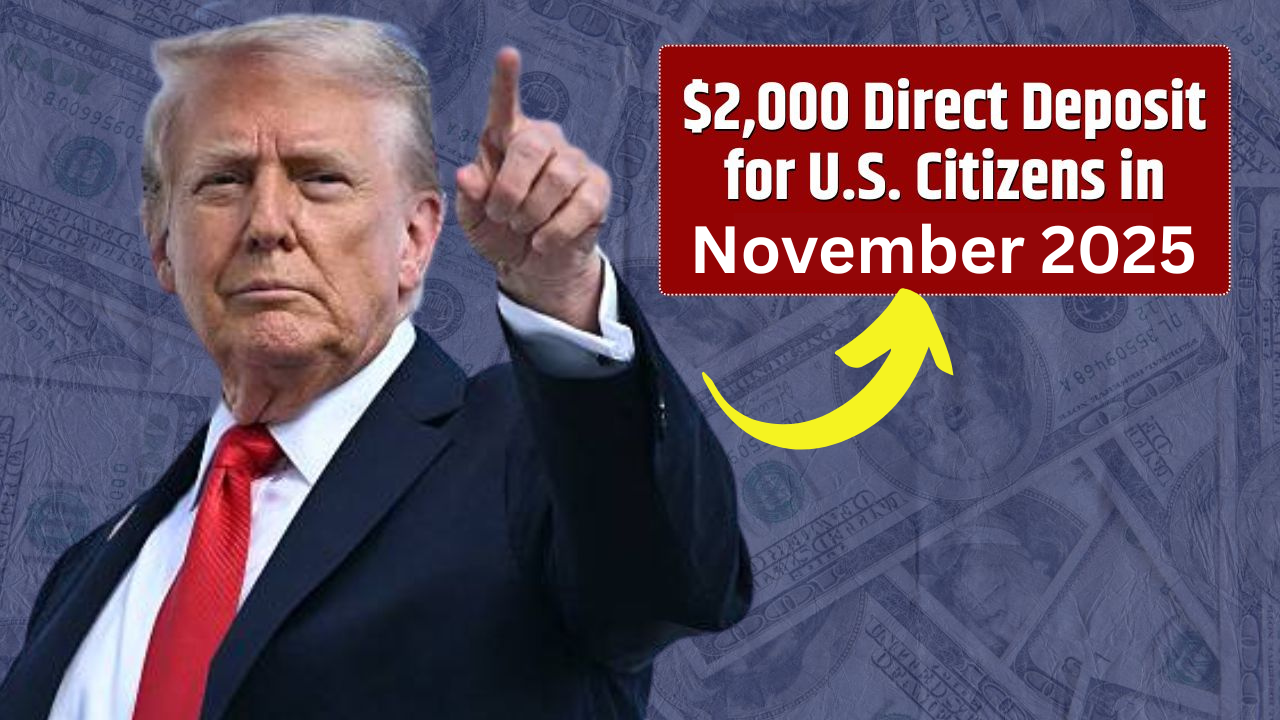
Amid growing discussion on social media and news outlets, there’s renewed talk of many U.S. citizens receiving $2,000 payments in the coming months—possibly as early as November 2025. This proposal has generated excitement, but it also comes with some stipulations. Here’s a breakdown of what’s happening right now, with empathy and humanity in mind—so you can maintain hope, be prepared, and avoid scams.
The Big Idea
This idea stems from Donald Trump’s plan to distribute a “tariff dividend” to Americans, funded by revenue from tariffs on imports. His proposal, a headline figure of $2,000 per person (excluding very high-income earners), has attracted widespread attention.
The concept is that Americans should receive a share of the tariff revenue—a direct check to citizens as a form of economic relief and recognition of their role in the economy. If this happens, it could mean significant relief for many households.
What could payments look like?
Eligibility (Tentative):
- Probably targeted for “working families” and households below the income cap. Discussions include excluding “high-income” earners.
- The Internal Revenue Service (IRS) or Congress has not yet determined the exact income threshold or posted it publicly.
- This may depend on your 2024 or 2025 tax filing status and direct deposit or bank information on file.
Payment Dates:
- The most frequently cited target date is November 2025, although this is not confirmed.
- Some comments suggest it could be pushed to 2026 depending on legislative and legal timing.
- Payment method could be by direct deposit (for those with bank information on file) or check/other methods. Details are not confirmed.
IRS Instructions and What to Do Now:
- While we await formal rules, you can take these proactive steps:
- If necessary, ensure your most recent tax return has been filed.
- Ensure your bank account direct-deposit information or mailing address appears correct in your IRS records.
- Avoid clicking on emails, texts, or social posts promising a check — the IRS warns that many such “stimulus check” messages are scams.
- Keep an eye out for official announcements from the IRS or Treasury Department. Don’t wait for your payment to arrive until you receive formal guidance.
Why there are problems (and why it’s not guaranteed)
- The tariff-dividend idea is still a proposal: legislation, funding allocation, and regulatory design are needed before it can become a reality.
- Analysts warn that revenue from tariffs may not yet be enough to pay $2,000 to millions of people.
- Legal and administrative work remains: eligibility rules, exclusion criteria, payment mechanisms—all must be resolved before rollout.
Frequently Asked Questions (FAQs)
Q1: Am I definitely getting $2,000 in November 2025?
Ans 1: Not yet. The payment remains tentative and has not been formally authorised by Congress or the IRS.
Q2: What if I don’t file taxes or I’m unemployed — am I still eligible?
Ans 2: Because eligibility rules are not final, we don’t yet know for sure. However, if sending payments broadly, the system may rely on existing tax records or direct-deposit info — so staying current could help.
Q3: Will I need to apply or register for this payment?
Ans 3: It’s likely the system will mirror past automatic stimulus payments (e.g., direct deposit based on tax records). But until the official guidance is issued, assume you may need to do minimal action (confirming banking info, for example).
Q 4: Can I trust messages, emails or app posts claiming “Click here to receive your $2,000 check”?
Ans 4: No — treat those with extreme caution. The IRS has warned that many of these are phishing attempts or scams. The IRS never asks for your bank password or for you to pay a fee to “unlock” a payment.
Q 5: What should I do right now while waiting?
Ans 5:
-
File your tax return timely if required.
-
Make sure your bank info and mailing address are up to date with the IRS (via your tax return or online account).
-
Monitor IRS.gov and Treasury for official announcements.
-
Don’t spend expecting the money — plan conservatively.
Disclaimer
This article is for informational purposes only. While the idea of a $2,000 direct deposit is gaining popularity, it has not yet been officially approved by Congress or the IRS. Until legislation is passed and official guidance is issued, all details (amount, timing, eligibility) are subject to change. Please rely on reliable government sources for the latest information and be very cautious about sharing personal or banking information in response to unsolicited claims for relief payments.